
Many business owners invest time and money into creating a website, but after launching it, they still struggle to get enough enquiries, calls, or leads.
This is a very common problem.
A website may look good, have nice colors, and even contain all the basic pages — but that does not always mean it will actually help your business grow. In many cases, the real reason a website is not getting enquiries is because it is missing a few important elements that directly affect trust, user action, and conversion.
A business website should do more than just “exist” online. It should help people trust your business, understand your service quickly, and take action easily.
In this article, we’ll look at 3 important things every business website must have to get more enquiries and improve overall performance.
Why Most Business Websites Don’t Get Enquiries
Before we jump into the 3 important points, it’s important to understand one thing:
A lot of websites fail not because they are badly designed, but because they are not designed with the customer journey in mind.
When someone lands on your website, they usually ask these questions in their mind:
- Can I trust this business?
- Is this the right service for me?
- What should I do next?
- Is it easy to contact them?
If your website does not answer these questions quickly, visitors often leave without taking any action.
That’s why the following 3 points matter so much.
1) Trust-Building Content

One of the biggest reasons people do not enquire on a website is simple:
They do not trust the business enough yet.
When a visitor lands on your website for the first time, they are trying to judge whether your business is genuine, professional, and reliable.
If your website looks empty, generic, or unclear, they may leave without contacting you.
That is why your website must include trust-building content.
What trust-building content can include:
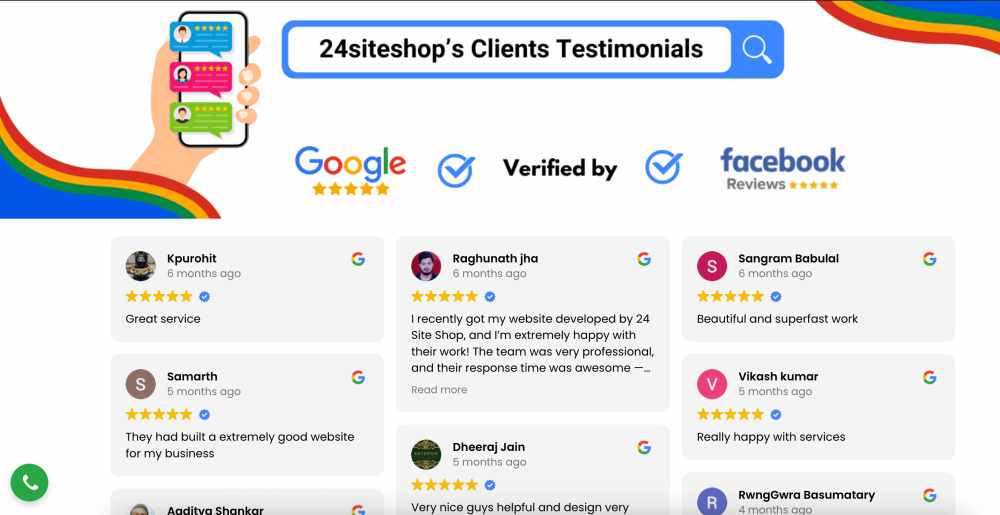
- Client testimonials
- Real project work or portfolio
- Years of experience
- Business photos
- Clear contact details
- Company or brand identity
- Real images instead of only stock photos
- Reviews or proof of work
Even a simple website can perform much better if it creates confidence.
A lot of business owners focus only on design, but trust is what often leads to action.
For example, if someone sees:
- real work
- clear service explanation
- genuine business presentation
…they are much more likely to submit an enquiry or contact you.
Quick Tip:
If your website currently feels too plain or too “template-like,” adding trust-building sections can make a big difference in conversion.
2) Strong Call-to-Action (CTA)
A lot of business websites have one major problem:
They do not clearly tell visitors what to do next.
This is where Call-to-Action (CTA) becomes very important.
A CTA is simply the next action you want the visitor to take.
For example:
- Enquire Now
- Get a Quote
- Call Now
- Book a Consultation
- WhatsApp Us
Without a proper CTA, visitors may browse your website, understand your service, and still leave without contacting you.
That means your website should not only provide information — it should also guide people toward taking action.
Where you should place CTA on your website:
- Homepage hero section
- Service sections
- Contact section
- Sticky header or mobile button
- Footer
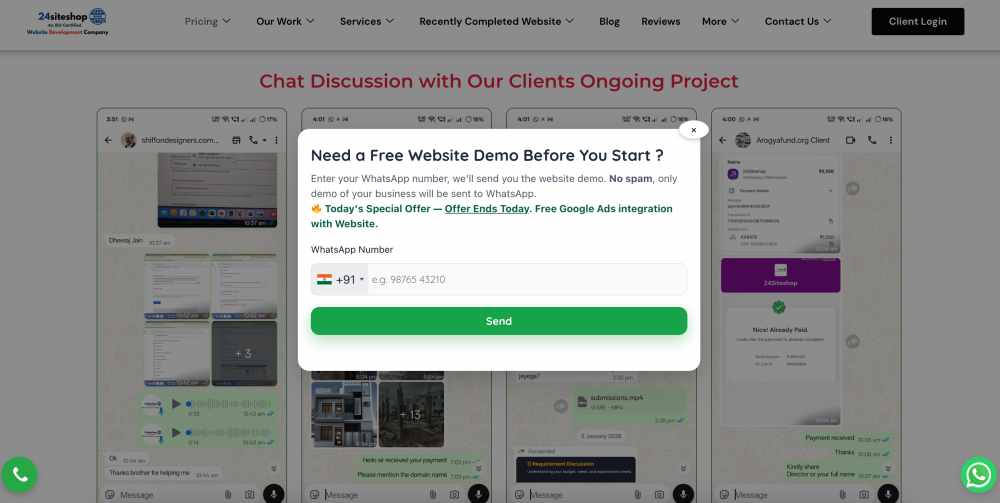
- Popup form or enquiry form
A strong CTA should be:
- clear
- visible
- simple
- action-focused
Exit Popup / Popup Form Can Also Help

In some cases, popup forms can also improve enquiries.
For example:
When someone is about to leave your website, you can show an exit popup form with something useful like:
- special offer
- coupon
- callback request
- enquiry form
- free consultation message
This works especially well for:
- ecommerce websites
- landing pages
- service enquiry websites
Popup forms should be used smartly — not in an annoying way.
Quick Tip:
If your website only gives information but does not clearly ask users to contact you, then you are probably losing potential enquiries every day.
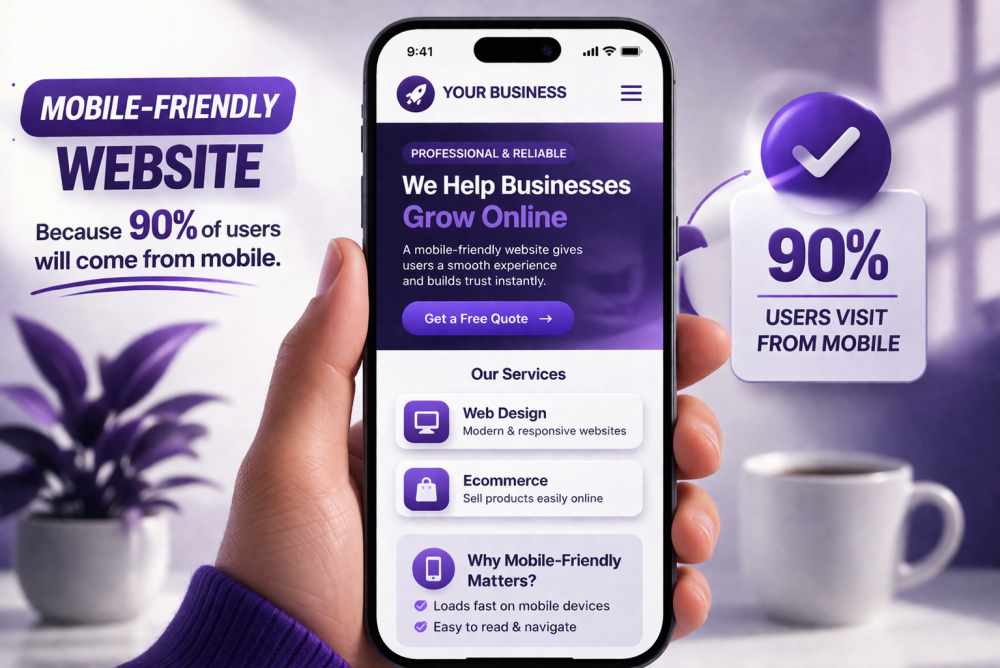
3) Mobile-Friendly and Fast Website
Today, most website visitors come from mobile phones.
That means if your website is not mobile-friendly, you are automatically losing a big part of your potential enquiries.
A lot of websites may look fine on desktop but perform badly on mobile.
This creates problems like:
- text too small
- buttons difficult to click
- poor spacing
- slow loading
- broken layout
- difficult navigation
And when users face these issues, they often leave quickly.
A business website must be easy to use on mobile.
This is extremely important because mobile users want quick action.
They usually want to:
- call
- fill a form
- check service details quickly
If your website is slow or frustrating to use, they won’t wait.
Why speed also matters
Website speed directly affects user experience.
A slow website can hurt:
- enquiries
- trust
- engagement
- SEO
- overall conversion
This becomes even more important if you are promoting your business online or getting traffic from search and social media.
A fast and mobile-friendly website creates a much better experience and gives users a smoother path toward contacting your business.
If your business website is not generating enough enquiries, the issue is often not just design — it is usually because the website is missing the right conversion-focused elements.
To improve your website, focus on these 3 important things:
1. Trust-Building Content
2. Strong Call-to-Action (CTA)
3. Mobile-Friendly and Fast Website
These may sound simple, but they can have a huge impact on how your website performs.
A website should not just look modern.
It should help your business:
- build trust
- guide visitors
- generate action
- increase enquiries
That is what makes a business website actually useful.