
Introduction
When someone lands on your website, the first thing they notice is not your headline, not your copy, and not even your layout. The first thing that shapes their perception is color. This is why understanding The Role of Color Psychology in Web Design is one of the most powerful tools you can use to influence user behavior. The concept of color psychology in websites is not just about picking visually pleasing shades. It is about strategically choosing colors that trigger emotions, build trust, guide navigation, and increase conversions.
Whether you run a service business, an ecommerce store, or a personal brand, the colors you use can significantly impact your results. At 24siteshop, while building high-conversion websites for clients through our website development and design services (https://24siteshop.com/website-development-and-design-services-in-guwahati/), we’ve seen repeatedly how the right color decisions lead to better engagement, longer on-page time, and more sales.
In this blog, you’ll learn the real science behind color, how it impacts web behavior, how to choose a color palette for your brand, and how to correctly implement color psychology in websites to maximize user trust and conversions.
What Is Color Psychology in Web Design?
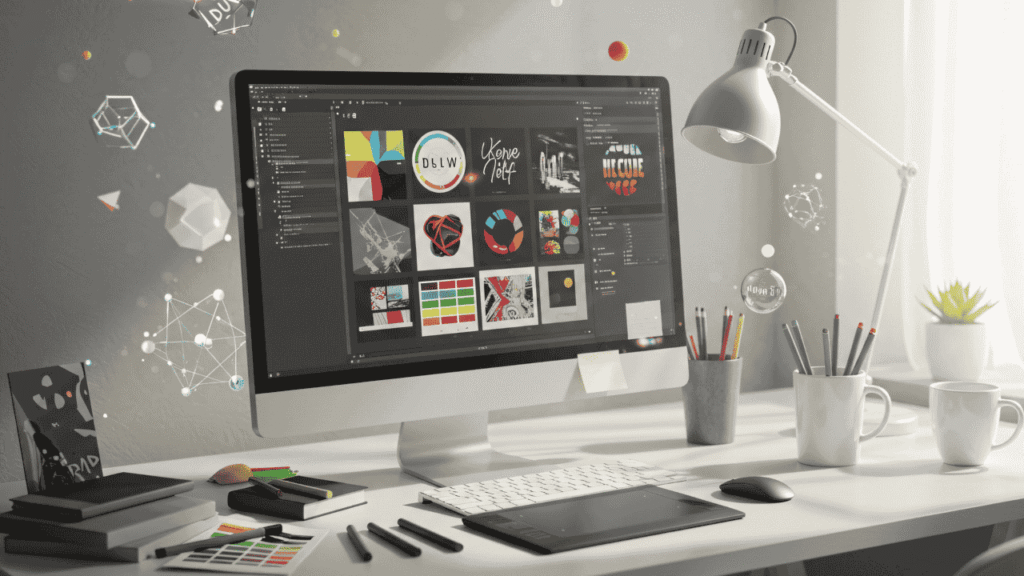
The Role of Color Psychology in Web Design refers to understanding how colors influence emotions, decisions, and overall perception. Colors carry psychological meanings. They communicate messages faster than text. When used properly, color psychology in websites helps guide the visitor’s eyes, highlight important actions, and build a subconscious connection with the brand.
For example:
Red creates urgency
Blue builds trust
Green encourages action
Yellow sparks attention
These are not random observations; they are backed by years of user behavior studies. That is why top-performing websites apply color psychology intentionally.
Why Color Matters More Than You Think
Before diving deeper into how to apply color psychology in websites, it’s important to understand how fast users react to color. Research shows that users form an opinion about a website within seconds. Colors shape 90% of that judgment.
Here’s why color plays such a crucial role:
- Colors affect emotion
- Colors influence memory
- Colors guide decision-making
- Colors determine first impressions
- Colors impact brand recall
If your website lacks a strategic color plan, you may be losing potential leads and customers without realizing it.
For example, if you sell premium services, your brand needs colors that communicate reliability and quality. If you sell kids’ products, the colors must express playfulness. This is why our clients using Shopify Website Plans (https://24siteshop.com/shopify-website-plan/) often see increased conversions when we optimize their store colors based on consumer psychology.
The Role of Color Psychology in Web Design for Branding
Brand identity is one of the strongest sections where color psychology in websites plays a major role. A brand color is not decoration; it is an emotional symbol of your identity.
Color improves brand recognition by up to 80%.
This means when you choose your brand color, you’re choosing the emotion your audience will associate with you.
Here are some general emotional messages behind popular colors:
Blue – Trust, professionalism
Green – Growth, prosperity
Black – Luxury, premium
Orange – Friendliness, enthusiasm
Purple – Creativity, wisdom
Red – Energy, urgency
Yellow – Optimism, joy
In The Role of Color Psychology in Web Design, choosing the right mix of these colors will define your brand’s personality. This is why businesses investing in high-quality branding rely on services like 24siteshop website development to create a visually and psychologically cohesive identity.

How Colors Influence User Behavior on Websites
Every website visitor subconsciously reacts to color in one of the following ways:
They stay longer
They click a specific button
They trust a section
They ignore certain elements
They feel emotionally connected
These reactions are part of color psychology in websites. Let’s break it down with examples.
1. Colors influence attention
Bright colors like yellow or orange catch the eye quickly. That’s why CTA buttons are often bright. If your “Buy Now” button blends with the background, it loses impact.
2. Colors strengthen trust
Shades of blue are known for creating trust and safety. That’s why banks, finance companies, and tech brands commonly use blue.
If you’re running paid ads, your landing page colors should match your ad theme. Our Google Ads service (https://24siteshop.com/google-ads-service/) often includes landing page color recommendations to increase conversion quality.
3. Colors guide navigation
Strategic section colors help users understand information hierarchy:
Title color → main message
Accent color → important detail
CTA color → action point
4. Colors improve readability
Black text on white background is not just classic but psychologically readable. Using too many fancy colors can reduce clarity and cause user frustration.
5. Colors trigger emotional response
Every color creates a different emotion. When applied correctly, emotions convert.
screenhere
Using Color Psychology in Websites for Higher Conversions
Now let’s get into practical implementation. Here are the most effective ways to apply The Role of Color Psychology in Web Design for better conversions.
1. Choose your primary brand color wisely
This is the main color users will associate with your brand. Make sure it matches your brand personality.
2. Use a contrasting CTA color
Your call-to-action must stand out visually. For example, if your website is blue, an orange CTA can increase conversions because of contrast.
3. Keep your palette limited to 3–5 colors
Using too many colors confuses the brain. Minimalist color palettes give a professional look.
4. Use warm colors for urgency
For limited-time offers, red or orange buttons subconsciously encourage quick decisions.
5. Use cool colors for trust-based services
Blue, teal, or navy communicate professionalism and confidence.
6. Use white space strategically
The human eye needs breathing room. White space increases focus and reduces cognitive load.
7. Maintain consistent color meaning across pages
Consistency builds subconscious trust.
If you’re unsure how to apply this correctly, 24siteshop provides complete color strategy guidance in our website maintenance plan (https://24siteshop.com/website-maintenance-plan/).
Examples of How Different Industries Use Color Psychology
Understanding color psychology in websites also means knowing what color works best for each business type.
Finance Websites
Usually use blue for trust, professionalism.
Health and Wellness
Use green and soft neutrals for peace and healing.
Ecommerce Stores
Use combinations that trigger emotions based on product type. Our Shopify Website Plans include complete color palette planning for stores.
Coaching and Personal Brands
Use purple, gold, or contrasting tones to stand out.
Real Estate Businesses
Often use dark blue, grey, and white to communicate reliability.
Marketing Agencies
Use vibrant colors to signal creativity and innovation.
If you want your marketing campaigns to match your website colors, services like Facebook Ads (https://24siteshop./facebook-ads-services/) and WhatsApp Business Marketing (https://24siteshop.comcom/whatsapp-business-marketing/) work best with consistent color-rich visuals.
How to Select the Right Colors for Your Website
Choosing the right palette involves several considerations.
Step 1: Identify your brand personality
Are you bold, friendly, professional, luxury, playful?
Step 2: Understand your audience psychology
Different age groups react to colors differently.
Step 3: Study your industry color trends
This helps with familiarity and trust.
Step 4: Use color contrast for accessibility
Accessibility is part of SEO. Good color contrast helps visually impaired visitors.
Step 5: Test your colors
A/B test your CTA color. The right choice can significantly increase conversions.
Understanding The Role of Color Psychology in Web Design during this selection phase helps avoid costly design mistakes later.
Common Color Mistakes That Hurt Conversions
Even if you understand the basics of color psychology in websites, avoid the following mistakes:
Using too many colors
Using colors with poor contrast
Using neon colors excessively
Using a misleading CTA color
Ignoring mobile color visibility
Making text blend into the background
Ignoring emotional impact of colors
Our team at 24siteshop carefully avoids these mistakes when designing websites for businesses across India and globally.
How Color Psychology Impacts Mobile Website Experience
Mobile users behave differently from desktop users. On mobile, color clarity and contrast matter even more.
Here’s how color psychology affects mobile UX:
Buttons must be more visible
Contrast must be stronger
Information must be easier to scan
CTA color must stand out immediately
Readable text colors are essential
This is why while handling website maintenance for clients under our hosting services (https://24siteshop.com/hosting/), color optimization for mobile is a core part of our workflow.
Why Google Loves Color-Optimized Websites
Google doesn’t directly rank you for color. But color influences things that Google DOES rank you for:
Longer session time
Lower bounce rate
Higher conversion rate
Improved user engagement
Stronger brand signals
Since The Role of Color Psychology in Web Design impacts all these areas, it indirectly boosts SEO performance.
Final Thoughts: Why Color Psychology Is a Non-Negotiable Part of Web Design
If you want a website that not only looks beautiful but also performs, then you must understand and apply color psychology in websites. Colors shape the user’s emotions, trust, decisions, movement, and purchase behavior. In short, color drives conversions.
Whether you’re building a brand-new website or revamping your current one, applying The Role of Color Psychology in Web Design correctly can transform your brand image and significantly boost your results.
If you need expert help implementing the right color strategy along with a high-performance design, contact 24siteshop for:
Website development and design
Shopify store design
Google Ads
Facebook Ads
Hosting
WhatsApp marketing
Website maintenance
Contact:
+91 9394847289
contact@24siteshop.com
Your website’s success depends on every detail — and color is one of the most powerful details you can optimize today.